In this article
- Introduction
- How Acupuncture and Fertility Are Connected
- Who Should Consider Fertility Acupuncture?
- Benefits of Acupuncture for Fertility
- Acupuncture for Fertility during IUI/IVF
- Is Acupuncture During Pregnancy Safe?
- What Pregnant Women Should Know Before Starting Acupuncture
- What to Expect During a Fertility Acupuncture Appointment
- Complementary Acupuncture Support for Your Fertility Journey
- When to Start Acupuncture to Help Get Pregnant
- FAQs About Chinese Medicine and Fertility
- About the Author
- References


Can Acupuncture Help with Fertility and Pregnancy in Malaysia?
Written and medically reviewed by Physician Yuan Ting
Last Updated: 29 June 2026
Reading Time: 12 Minutes
Introduction
Have you been trying to conceive and heard that acupuncture might help? Acupuncture is widely used as complementary support during IVF and IUI, but never a replacement for conventional care. In a fertility context, it is used to support hormonal balance, blood circulation to the reproductive organs, and the body’s response to stress during the conception process.
Many couples across Malaysia raise this question at every stage of their fertility journey, from early pre-conception planning to active IVF and IUI cycles. Research into acupuncture’s role in fertility has grown in recent years, and Malaysia’s own Ministry of Health has formally reviewed the evidence.
The Malaysian Ministry of Health, through its Health Technology Assessment section (MaHTAS), has reviewed acupuncture as an adjunct treatment for subfertility. That review found acupuncture showed potential to improve clinical pregnancy rates in women undergoing IVF, while noting the supporting evidence was of low to moderate quality and that results varied across studies. At Xi Fertility, a growing number of couples choose to combine acupuncture with their conventional fertility treatment as complementary support.
- If you are new to Acupuncture: Start with the sections on how TCM and fertility are connected and which treatments are used.
- If you are already undergoing fertility treatment:Skip to the section on acupuncture alongside IVF and IUI to learn how it may complement your treatment plan.
- If you are currently pregnant:Head to the section on acupuncture during pregnancy to learn about its uses and important safety considerations.
Unsure where to start? Speak with a KKM-registered TCM physician.
How Acupuncture and Fertility Are Connected
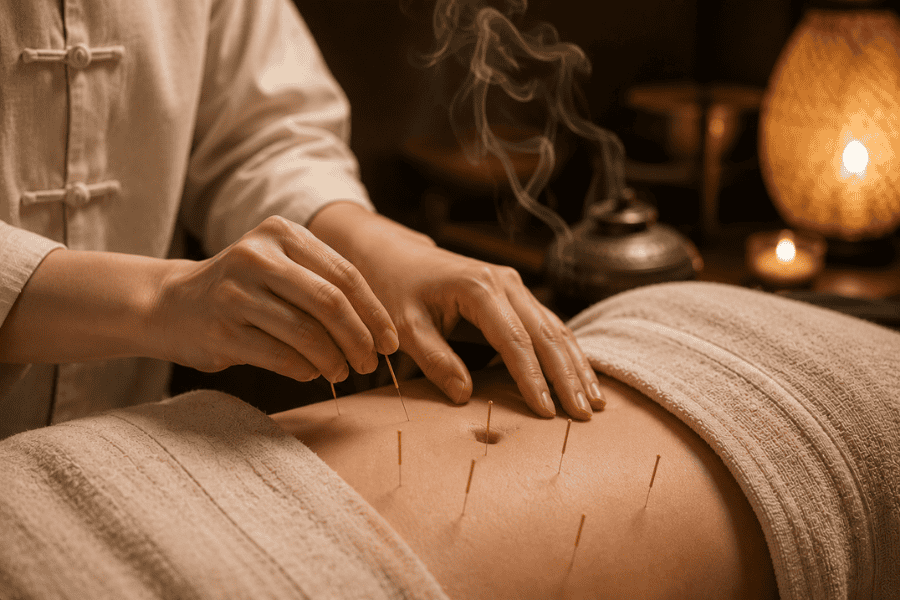
Acupuncture is a practice within Traditional Chinese Medicine (TCM) that involves the placement of fine, sterile needles at specific points on the body. In TCM, these points correspond to pathways called meridians, through which Qi (energy) and blood are understood to circulate. When these pathways are disrupted or imbalanced, the body’s internal environment is considered less able to support conception and healthy pregnancy.
From a physiological perspective, acupuncture is thought to interact with the autonomic nervous system, endocrine pathways, and circulatory function. In a fertility context, three mechanisms receive the most clinical attention:
- Hormonal regulation: Acupuncture has been studied for its effects on reproductive hormones including FSH, LH, oestrogen, and testosterone. Elevated FSH is closely associated with diminished ovarian reserve, and research has shown acupuncture may support hormonal rebalancing in both men and women.
- Blood circulation: Acupuncture is used to support blood flow to the uterus, ovaries, and testes. Improved circulation to the uterine lining is one mechanism studied in relation to endometrial receptivity and embryo implantation.
- Stress response: Chronic stress has a documented effect on reproductive hormone levels in both men and women. Acupuncture is used to support the nervous system and reduce the physiological impact of sustained stress during a fertility journey.
In practice, acupuncture is recommended as part of a personalised TCM programme based on individual pattern assessment. Sessions are timed in relation to the menstrual cycle phase or, for couples in an active IVF or IUI cycle, aligned to the clinical treatment timeline. It is always provided as complementary support, not as a replacement for medical diagnosis or clinical care.
Who Should Consider Fertility Acupuncture?
Fertility acupuncture is not limited to couples who have been trying for a long time. It is used at various stages of the reproductive journey, and it is not only for women. The following situations are among the most common reasons couples explore it as complementary support:
- Couples trying to conceive naturally who want to support overall body readiness
- Women with PCOS/PMOS, irregular cycles, or endometriosis
- Women with a history of poor endometrial lining or recurrent implantation failure
- Men with identified sperm concerns, including low count, poor motility, or elevated DNA fragmentation
- Couples preparing for an IVF, IUI, or ICSI cycle
- Couples who have experienced repeated treatment cycle failures
- Women currently pregnant seeking support for common pregnancy symptoms
- Couples with unexplained infertility exploring complementary approaches
A TCM practitioner will review each individual’s pattern presentation before recommending a programme.
Benefits of Acupuncture for Fertility
The benefits of acupuncture for fertility differ between women and men, which reflects the distinct physiological processes involved in each case.
Benefits for Female Fertility
In TCM, the menstrual cycle is understood as a key indicator of internal balance. A regular, manageable cycle with adequate flow reflects healthy Qi and blood circulation. Disruptions to cycle regularity, flow quality, or symptom load are assessed as signals that the body’s internal environment may need support before or during conception.
Preparing for conception:
Fertility acupuncture is often recommended at least three months before you start trying to conceive. During this time, acupuncture helps:
- Hormonal balance and PCOS/PMOS: Acupuncture supports hormonal regulation in women with PCOS/PMOS, irregular cycles, or elevated hormone levels. Studies suggest acupuncture may help support both pregnancy and ovulation rates in women with these conditions
- Menstrual cycle regulation: Acupuncture is used to support cycle regularity, reduce period pain, and address variations in flow quality that TCM associates with reproductive readiness.
- Endometrial support: Acupuncture supports blood circulation to the uterine lining. Research found that electro-acupuncture improved endometrial blood flow in women with recurrent implantation failure.
- Stress and emotional wellbeing: Chronic stress has a documented physiological impact during the fertility journey. Acupuncture is used to support the nervous system and stress response during the preconception period.
Supporting IVF and IUI:
Acupuncture is commonly used alongside IVF and IUI treatment as part of a broader fertility support plan. This method supports several aspects of the fertility process, including:
- Follicular phase and egg development: Acupuncture during the follicular phase is used to support blood flow and nourishment to developing follicles ahead of ovulation or egg retrieval.
- Endometrial receptivity: Acupuncture supports circulation to the uterine lining, a factor in endometrial receptivity ahead of embryo transfer or natural conception.
- Managing side effects of fertility medications: Acupuncture may help ease common symptoms associated with fertility medications, including bloating, fatigue, and emotional stress.
- Post-transfer support: Acupuncture after embryo transfer focuses on supporting the body’s internal balance and wellbeing during the two-week wait.
Benefits for Male Fertility
Even though much of the focus is on female fertility, it is important to recognise that acupuncture can also benefit male partners on the fertility journey. It is used to support sperm health, hormonal balance, and overall reproductive condition as part of a male fertility programme.
A study on acupuncture in the treatment of male infertility found that acupuncture may support improvements in sperm motility, count, and fertilisation outcomes in men with identified fertility concerns.
- Improving sperm quality and count: Multiple studies have reported improvements in sperm concentration, motility, and morphology following acupuncture treatment. Individual results depend on the underlying cause and pattern presentation.
- Hormonal balance: Acupuncture may reduce elevated FSH and LH levels and support testosterone production in men assessed with hormonal imbalance, supporting the conditions for healthy sperm development.
- Blood circulation to reproductive organs: Improved circulation is one proposed mechanism through which acupuncture supports conditions for sperm production during the development cycle.
- Reducing stress: Chronic stress and poor sleep quality affect male reproductive hormone levels. Acupuncture supports the nervous system and recovery during a demanding fertility journey.
- Sexual health and energy levels: Acupuncture may also be incorporated as part of a broader male reproductive health programme that addresses fatigue, low libido, and overall physical vitality alongside sperm health.
Acupuncture for Fertility during IUI and IVF
Many couples who are working with a fertility specialist incorporate acupuncture as additional support during their treatment cycle. Acupuncture does not replace IVF, IUI, or ICSI. It is used to support the body’s internal condition during the clinical process.
Timing is everything. Research shows acupuncture works best when it is done at the right moment in your cycle, such as during the stimulation phase of a fresh IVF cycle, or in the days before a frozen embryo transfer. Studies also found that this stage-timed approach is associated with higher pregnancy and live birth rates. At Xi Fertility, sessions are planned around your actual treatment calendar so each visit is coordinated with where you are in the process.
Acupuncture at Each Stage of Your Treatment Cycle
Many fertility specialists and patients incorporate acupuncture at different stages of an IVF or IUI cycle. The timing and focus of treatment vary depending on where you are in the process, from preparing for stimulation to supporting overall wellbeing after embryo transfer.
| Stage of Treatment | How Acupuncture May Support It |
|---|---|
| Pre-Stimulation Preparation | Acupuncture in the months before a planned cycle focuses on supporting hormonal balance, cycle regularity, and overall body condition ahead of ovarian stimulation. |
| During Ovarian Stimulation | Sessions are timed to support the body during the stimulation phase, with attention to circulation to the ovaries and management of stress load during an intensive clinical period. |
| Around Egg Retrieval | Acupuncture may be incorporated around the retrieval procedure to support recovery and internal balance during this physically demanding stage. |
| Post-Embryo Transfer | Acupuncture after embryo transfer focuses on supporting the body’s internal balance and overall wellbeing during the two-week wait and beyond. |
Conventional fertility treatment addresses the clinical procedure directly. Acupuncture supports the body’s internal condition in preparation for and during that process. Both work at different levels and can complement each other at each stage of treatment.
See how a personalised TCM programme fits around your IVF or IUI timeline.
Is Acupuncture During Pregnancy Safe?
Many couples who incorporated acupuncture into their fertility journey have the same question after a positive pregnancy test: “Is it safe to continue treatment during pregnancy?”
A study published in Journal of Traditional Chinese Medicine concluded that acupuncture is relatively safe during pregnancy, with adverse events significantly lower in incidence compared to conventional medicine interventions. It can be used under the guidance of a qualified TCM practitioner.
However, specific acupuncture points are avoided at each stage of pregnancy, and treatment approaches are adjusted trimester by trimester. It is not a blanket contraindication, but it requires ongoing practitioner assessment and oversight. Self-treatment using acupressure devices or at-home tools is not advised during pregnancy.
Benefits of Acupuncture During Pregnancy
Pregnancy brings a range of physical and emotional changes that acupuncture is commonly used to support, with the focus of treatment changing throughout the pregnancy.
- First Trimester: Acupuncture is commonly used to support the management of nausea and fatigue during early pregnancy. A study found that traditional acupuncture demonstrated the greatest quality-of-life benefit among all acupoint therapies reviewed for pregnancy nausea and vomiting.
- Second Trimester: The focus shifts to supporting energy, blood nourishment, and circulation as the pregnancy progresses. Research found that acupuncture is used to ease musculoskeletal discomfort including back and pelvic pain and to maintain overall physical balance during pregnancy.
- Third Trimester: Treatment supports the body’s preparation for birth. Lower back pain, pelvic girdle pain, and in some cases malpresentation (breech position) are areas where acupuncture is used in late pregnancy under qualified practitioner guidance.
What Pregnant Women Should Know Before Starting Acupuncture
Many women continue acupuncture during pregnancy as part of their overall wellness and prenatal support plan. Treatment approaches are adjusted according to the stage of pregnancy and each individual’s needs.
Before starting treatment, keep the following points in mind:
- Certain acupuncture points are specifically avoided during pregnancy. A qualified practitioner will assess which points are appropriate at each trimester and adjust accordingly.
- Herbal medicine requires separate assessment once pregnancy is confirmed. Not all herbs used in a pre-conception programme are continued during pregnancy.
- Always inform your doctor, midwife, or obstetrician if you are receiving acupuncture as part of your prenatal care.
- KKM-registered TCM practitioners are trained in pregnancy-safe acupuncture.
Good communication between your TCM practitioner and healthcare team helps ensure coordinated care throughout pregnancy. If this is your first experience with acupuncture, you may be wondering what happens during an appointment. The process is designed to be personalised, with treatment recommendations based on your individual health history and goals.
What to Expect During a Fertility Acupuncture Appointment
It is natural to feel a little uncertain before your first fertility acupuncture appointment, especially if you have not tried it before. Understanding what happens during an appointment can help you feel more prepared.
Before treatment begins, your practitioner will carry out a detailed assessment to understand your fertility history and overall health. This may include the following steps:
- Medical history review
- Understanding your fertility journey
- TCM pattern assessment (tongue and pulse examination)
A session normally lasts around 30 to 45 minutes, including the needle retention period. Fine, sterile, single-use needles are placed at selected acupuncture points and left in place while you rest comfortably.
Some people experience a mild tingling, warmth, or dull sensation around the needle site. Most describe the treatment as relaxing.
Complementary Acupuncture Support for Your Fertility Journey
Couples navigating fertility challenges in Malaysia work with two types of practitioners at different stages of the process.
Fertility clinics and hospitals manage the clinical diagnosis and procedures, while TCM fertility specialists focus on supporting the body’s condition before and during treatment. Acupuncture is not an alternative to medical treatment. Instead, it is an additional layer of support for the body during a physically and emotionally demanding process.
At Xi Fertility Centre, our KKM-registered practitioners offer acupuncture and herbal medicine as part of a personalised TCM programme developed for each individual based on their pattern assessment.
Xi Fertility has specialised in fertility-focused TCM since 2013. For couples who are preparing for IVF, IUI, or other fertility treatments, TCM fertility support can help the body stay in the best condition going into treatment. If you would like to explore complementary support, you can learn more about our TCM wellness programme or speak with our team directly.
Book an initial consultation with our KKM-registered TCM specialists.
Talk to Our SpecialistsWhen to Start Acupuncture to Help Get Pregnant
The ideal time to start acupuncture depends on your fertility goals and where you are in your journey. Some couples begin several months before trying to conceive, while others incorporate acupuncture as complementary support during fertility treatment. Common starting points include:
- Trying to conceive naturally: Beginning acupuncture three to six months before actively trying to conceive allows time to support hormonal balance, menstrual cycle regularity, and overall reproductive health.
- Before IVF or IUI: Starting at least three months before a planned cycle is recommended, aligning with the 74-day sperm development cycle for men and allowing time to support follicle development in women.
- During an active treatment cycle: Acupuncture can be incorporated during IVF or IUI as adjunct support, with session timing adjusted to the clinical timeline.
- After embryo transfer: Acupuncture supports overall body balance and wellbeing during the two-week wait and beyond.
Every fertility journey is different. A personalised assessment can help determine the most suitable timing and treatment approach based on your individual circumstances.
Xi Fertility Centre has supported couples across Kuala Lumpur and the Klang Valley since 2013. If you are ready to take the next step, our team is available for an initial consultation at our centres in Damansara Heights, Petaling Jaya, Bukit Jalil, and Setia Alam. Book an appointment here.
FAQs About Acupuncture for Fertility and Pregnancy
1. Does acupuncture help with fertility?
Acupuncture supports fertility by promoting hormonal balance, improving blood circulation to the reproductive organs, and supporting the body’s stress response. It is used as complementary support alongside conventional fertility treatment, not as a replacement for medical diagnosis or clinical care. A TCM practitioner assesses each individual’s pattern before recommending a programme.
2. How many acupuncture sessions are needed for fertility?
A fertility acupuncture programme runs for three to six months, with sessions usually weekly or fortnightly, adjusted to the cycle phase or treatment stage. Starting at least three months before a planned IVF or IUI cycle is recommended. Session frequency increases during active treatment cycles. Results vary by individual.
3. Is acupuncture safe during pregnancy in Malaysia?
Acupuncture can be used during pregnancy under the guidance of a qualified, KKM-registered TCM practitioner. Specific points are avoided at each stage, and treatment is adjusted trimester by trimester. Always inform your doctor or gynaecologist before starting or continuing acupuncture when pregnant. Self-treatment is not advised during pregnancy.
About the Author
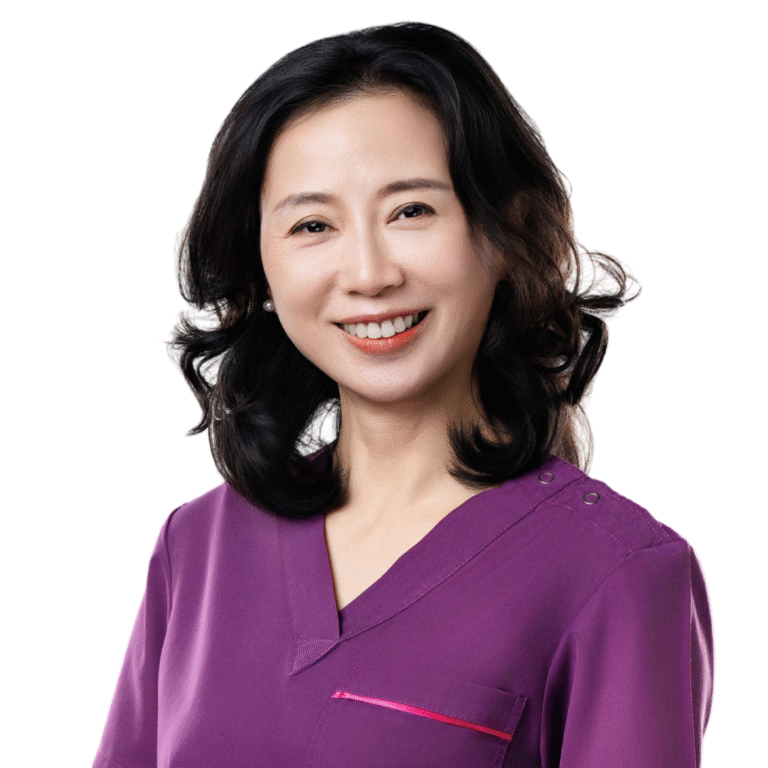
Physician Yuan Ting (B.ChinMed)
Founder & TCM Fertility Expert
Physician Yuan Ting is the Founder and Head of Practitioners at Xi Fertility & Women’s Health TCM Centre. With formal clinical training in Gynecology and Fertility from the prestigious Chengdu University of Traditional Chinese Medicine (CDUTCM), she brings over a decade of expertise to holistic reproductive health. Physician Yuan Ting specializes in pre-IVF body preparation and supporting couples who have experienced recurrent IVF failures. Her core clinical philosophy bridges Western ART and traditional wisdom: a successful IVF journey is not just about trying more cycles, but about ensuring the body’s internal environment is optimally balanced and prepared for conception.
- Ministry of Health Malaysia. (2023). Acupuncture as an adjunct treatment in subfertility. Health Technology Assessment Section (MaHTAS). Available at: https://www.moh.gov.my/images/04-penerbitan/penerbitan-klinikal/mahtas/FR%20-%20Acupuncture%20as%20an%20adjunct%20treatment%20in%20subfertility_compressed.pdf
- Wang X, Xu HM, Wang QL, et al. (2024). The Timing and Dose Effect of Acupuncture on Pregnancy Outcomes for Infertile Women Undergoing IVF-ET: A Systematic Review and Meta-Analysis. Available at: https://pubmed.ncbi.nlm.nih.gov/38808509/
- Lai, Y.Y, Liu, L.Y, Wu, Y.N., et al. (2024). Immediate Effect of Electro-Acupuncture on Endometrial Blood Flow in Patients with Recurrent Implantation Failure: A Randomized Controlled Trial. Available at: https://pubmed.ncbi.nlm.nih.gov/38433155/
- Zhang, L., Bao, B., Wang, X., Tong, S., Wen, H., & Liu B. (2024). Acupuncture in the Treatment of Male Infertility: A Review. Available at: https://journals.lww.com/imna/fulltext/2024/12000/acupuncture_in_the_treatment_of_male_infertility_.4.aspx
- Bai. T., Deng, X., Bi, J., Ni, L., Li, Z., & Zhuo, X. (2024). The effects of acupuncture on patients with premature ovarian insufficiency and polycystic ovary syndrome: an umbrella review of systematic reviews and meta-analyses. Available at: https://www.frontiersin.org/journals/medicine/articles/10.3389/fmed.2024.1471243/full
- Liu, H., Liao, C., Deng, J., et al. (2025). Efficacy of acupoint-related therapies for nausea and vomiting in pregnancy: a Bayesian network meta-analysis. Available at: https://www.frontiersin.org/journals/medicine/articles/10.3389/fmed.2025.1589950/full
- Liu, T.T., Liu, T., Liu, M. (2023). Effectiveness and safety of acupuncture in treatment of pregnancy-related symptoms: a systematic review and meta-analysis. Available at: https://pmc.ncbi.nlm.nih.gov/articles/PMC10774725/
- Pai, M.Y.B., et al. (2023). Acupuncture for pregnancy-related pain in the lower back and posterior pelvic girdle. Available at: https://pmc.ncbi.nlm.nih.gov/articles/PMC10411702/