
In this article
- Introduction
- What is Female Factor Infertility
- The Most Common Causes of Female Infertility
- Types of Female Infertility
- Early Signs and Symptoms of Female Infertility
- Female Infertility Investigations and Diagnosis
- Treatment Options for Female Infertility
- Complementary Support for Female Infertility Alongside Fertility Centre Care
- When Should You Seek Help for Female Infertility
- FAQs About Female Infertility
- About the Author
- References

Female Fertility Challenges: Causes, Symptoms and What to Do Next
Written and medically reviewed by Physician Yuan Ting
Last Updated: 27 May 2026
Reading Time: 12 Minutes

Introduction
Have you been trying to conceive for more than a year without success? If the answer is yes, you are not alone. Many women carry this quietly, hoping each month and not knowing when to start asking questions.
According to Mayo Clinic, infertility results from female factors about one-third of the time, and from a combination of male and female factors for another third. Understanding both sides of that picture gives the clearest place to begin. In Malaysia, more couples are starting families later in life, a shift that makes early fertility awareness more relevant than many expect.
Most women with fertility challenges feel completely healthy and notice no outward signs. In some cases, physical signs can point to an underlying condition. This guide walks through both.
- If you are new to the process: Start with the sections on causes and signs below. We explain the common factors and what to look out for.
- If you already have a diagnosis: Skip the basics and focus on the treatment and complementary care sections.
What is Female Factor Infertility
Female infertility refers to a condition that affects a woman’s ability to achieve or maintain a pregnancy. The World Health Organization clinically defines infertility as the inability to conceive after 12 months of regular unprotected intercourse. The evaluation window shortens to six months if the female partner is 35 or older because natural fertility declines with age.
If medical tests identify the female partner as a contributing element, it is called female factor infertility. The condition may involve the ovaries, fallopian tubes, uterus, or the hormonal systems that regulate the reproductive cycle.
Female infertility is categorized into two types:
- Primary Female Infertility: A woman who has never achieved a clinical pregnancy.
- Secondary Female Infertility: Difficulty conceiving after a previous successful pregnancy. A prior pregnancy does not rule out current female factor involvement. Hormonal changes, new structural conditions, and age-related factors can all affect fertility between pregnancies.
The Most Common Causes of Female Infertility
The World Health Organization notes that in the female reproductive system, infertility may be caused by a range of abnormalities of the ovaries, uterus, fallopian tubes, and the endocrine system, among others. A thorough diagnosis by a medical specialist helps shape an effective treatment plan.
Male infertility has a range of identifiable causes. A thorough diagnosis by a medical specialist helps shape an effective treatment plan.
Polycystic Ovary Syndrome (PCOS) and Ovulation Disorders
Polycystic ovary syndrome, recently renamed Polyendocrine Metabolic Ovarian Syndrome (PMOS) though still widely known as PCOS, is the most common hormonal disorder in women of reproductive age, affecting an estimated 10 to 13 percent of women globally according to the World Health Organization.
Research also shows that ovulatory dysfunction accounts for 25 to 40 percent of female infertility cases, with PCOS responsible for approximately 70 percent of those cases. It causes a hormone imbalance that affects normal egg development and release. Other hormonal issues include hypothalamic dysfunction and premature ovarian failure.
Fallopian Tube Damage
Tubal factors account for approximately 20 percent of female infertility cases. The fallopian tubes carry the egg from the ovary to the uterus and are where fertilization occurs. Damage or blockage prevents this process from completing.
Common causes of tubal damage include:
- Pelvic inflammatory disease (PID), often resulting from untreated chlamydia or gonorrhoea
- Previous pelvic or abdominal surgery
- A history of ectopic pregnancy
- Peritubal adhesions from infection or inflammation
Endometriosis
Endometriosis occurs when tissue similar to the lining of the uterus grows outside the uterus. The tissue growth can cause scarring that may block fallopian tubes and disrupt the union of sperm and egg. The condition can also affect the lining of the uterus and disrupt implantation.
Uterine or Cervical Causes
Several uterine or cervical issues can interfere with implantation or increase the likelihood of a miscarriage. Conditions include:
- Fibroids (leiomyomas): Non-cancerous uterine growths that may interfere with implantation depending on their size and position
- Endometrial polyps: Overgrowths of the uterine lining that can affect embryo implantation
- Uterine septum: A congenital structural variation that may increase miscarriage risk
- Asherman’s syndrome: Intrauterine scarring, often following surgery or infection
Cervical mucus abnormalities may also affect sperm transport in some cases, though this is a less common isolated cause.
Age and Egg Quality
A woman’s egg quantity and quality decline naturally with age. Clinical research indicates that females in the 25 to 27 age group experience the highest probability of pregnancy after a year of family planning.
Recent research also confirms that the age-related decline in women’s fertility begins at age 30 and is exacerbated between the ages of 35 and 40. Diminished ovarian reserve (DOR) can occur in younger women, particularly those with a family history of early menopause, prior ovarian surgery, or autoimmune conditions.
Age is one of the strongest predictors of both natural conception and the outcomes of assisted reproductive treatment. Early assessment is advisable for women approaching or over 35.
Lifestyle and Environmental Contributors
Several lifestyle and environmental factors are known to influence female fertility. Common contributors include:
- Obesity and metabolic dysfunction affecting hormonal balance
- Being significantly underweight, which can suppress ovulation
- Smoking, which accelerates egg depletion and increases miscarriage risk
- Excessive alcohol intake
- Chronic psychological stress
- Exposure to environmental toxins and endocrine-disrupting compounds
Types of Female Infertility
Female infertility is not a single diagnosis. Clinicians categorize it by the part of the reproductive system affected or the underlying mechanism identified. Understanding the type of female infertility helps guide the most appropriate diagnostic and treatment pathway.
| Type | Clinical Term | What It Means for the Body |
|---|---|---|
| Ovulatory disorder | Anovulation / Oligoovulation | Ovulation is absent or infrequent. Polycystic ovary syndrome (PCOS) is the most common cause. |
| Tubal factor | Tubal Occlusion / Hydrosalpinx | The fallopian tubes are blocked or filled with fluid. This blockage prevents the sperm and egg from meeting. |
| Uterine factor | Uterine Factor Infertility | Structural issues in the uterus affect implantation. Examples include fibroids, polyps, or a uterine septum. |
| Ovarian reserve | Diminished Ovarian Reserve (DOR) / Premature Ovarian Insufficiency (POI) | The number or quality of available eggs is low. This can be due to natural aging or early loss of ovarian function. |
| Endometriosis-related | Endometriosis-associated Infertility | Uterine-like tissue grows outside the uterus. It causes inflammation and scarring that can block tubes and affect egg quality. |
| Cervical factor | Cervical Factor Infertility | Cervical mucus or a narrow cervix (stenosis) blocks sperm. The blockage stops sperm from reaching the egg. |
| No identified cause | Unexplained Infertility | All standard fertility tests return normal results. No specific medical cause for infertility can be found. |
No single type is more common across all cases. Ovulatory disorders, tubal factor, and endometriosis-associated infertility together account for the majority of identified cases, and more than one type can be present at the same time.
Early Signs and Symptoms of Female Infertility
The most direct symptom of female infertility is the inability to achieve a pregnancy after the expected timeframe. Many women experience no other outward signs.
Certain physical signs may indicate an underlying condition, including:
- Irregular or absent periods: Cycles that are consistently shorter than 21 days, longer than 35 days, or absent may signal ovulation irregularities including PCOS or premature ovarian insufficiency.
- Painful periods: Severe pelvic pain and cramping during menstruation can be a symptom of endometriosis.
- Hormonal changes: Unexplained weight gain, severe acne, or unusual hair growth on the face or body can indicate PCOS.
- Pain during intercourse: Discomfort during sex is sometimes associated with endometriosis or pelvic inflammatory disease.
Experiencing one or more of these symptoms does not automatically mean a woman is infertile. A consultation with a gynecologist or fertility specialist provides the most accurate insights into your reproductive health.
Female Fertility Investigations and Diagnosis
A medical clinic will conduct a structured assessment to establish the cause of your fertility challenges.
1. Blood Tests and Hormonal Profiling
A hormone panel is usually the first investigation. Tests commonly include:
- FSH (Follicle-Stimulating Hormone): Assessed on Day 2 to 3 of the cycle to evaluate ovarian reserve and function
- LH (Luteinising Hormone): Assessed alongside FSH; an elevated LH:FSH ratio may suggest PCOS
- AMH (Anti-Müllerian Hormone): Indicates ovarian reserve; can be tested on any day of the cycle
- Oestradiol: Measured alongside FSH to assess ovarian function
- Prolactin: Elevated levels can suppress ovulation and affect cycle regularity
- Thyroid function (TSH, FT4): Thyroid disorders are a treatable and frequently overlooked contributor to fertility difficulties
- Progesterone (Day 21 test): Confirms whether ovulation occurred in that cycle
2. Ultrasound and Imaging
A transvaginal ultrasound provides direct visualisation of the uterus and ovaries. It is used to count antral follicles as an indicator of ovarian reserve, identify PCOS-related ovarian morphology, detect fibroids, polyps, or cysts, and assess uterine structure and endometrial thickness.
Ultrasound is non-invasive and usually among the earliest investigations in a fertility workup.
3. Hysterosalpingography (HSG)
An HSG is a specialized X-ray procedure. A doctor injects a safe contrast dye into the uterus and takes X-ray images. The images show if fluid spills out of the fallopian tubes. The test confirms whether the tubes are open or blocked.
4. Laparoscopy
Laparoscopy is a minimally invasive surgical procedure allowing direct visual examination of the pelvic reproductive structures. It is the only reliable method for diagnosing peritoneal endometriosis and assessing pelvic adhesions.
It is typically recommended when other investigations suggest endometriosis, unexplained infertility has been confirmed, or prior treatment cycles have not been successful.
Treatment Options for Female Fertility Challenges
Treatment for female infertility depends entirely on the underlying cause identified through investigation.
Fertility Medications for Women
Fertility drugs are the primary treatment for women who experience ovulation disorders. Medications such as Clomiphene citrate or Letrozole stimulate the ovaries to release eggs. Doctors may prescribe gonadotropin injections to induce ovulation in more complex cases.
Surgical Procedures
Surgical interventions can correct anatomical abnormalities. A surgeon can remove uterine polyps, fibroids, or pelvic scar tissue. Surgery is also a common approach to manage endometriosis and improve natural conception chances.
Assisted Reproductive Technology (ART)
Fertility clinics offer advanced procedures to support family planning. Intrauterine insemination (IUI) places healthy sperm directly in the uterus around the time of ovulation. In vitro fertilisation (IVF) involves retrieving eggs from the ovaries, combining them with sperm in a lab, and transferring the resulting embryo into the uterus.
To learn more about each medical pathway and how complementary care fits alongside medical treatment, read our detailed guides on women’s wellness and pregnancy preparation.
Complementary Support for Female Fertility Alongside Fertility Centre Care
Women navigating female fertility challenges in Malaysia typically work with two types of providers at different stages of their treatment.
The first is a conventional fertility clinic or hospital, such as those offering IUI, IVF, or surgical intervention. These centres handle the clinical diagnosis and assisted reproduction procedures.
The second is a TCM fertility specialist. Unlike general TCM practice, TCM fertility specialists such as Xi Fertility focus specifically on reproductive health, supporting the body’s condition during the period leading up to and alongside medical treatment. TCM is not an alternative to medical treatment. It is an additional layer of support for the body during a physically demanding process.
At Xi Fertility Centre, our KKM-registered practitioners offer acupuncture and herbal medicine as part of a personalised TCM programme developed for each individual based on their pattern assessment. The Malaysian Ministry of Health (MOH) has formally reviewed evidence on acupuncture as an adjunct treatment for subfertility, recognising its potential as an adjunct to conventional care.
Xi Fertility has specialised in fertility-focused TCM since 2013. For women preparing for IVF, IUI, or other fertility treatments, TCM fertility support can help the body stay in the best condition going into treatment. If you would like to explore complementary support, you can learn more about our women’s wellness programme or speak with our team directly.
When Should You Seek Help for Female Infertility
The standard clinical guideline is to seek a fertility assessment after 12 months of regular, unprotected intercourse without a pregnancy, or after six months if the female partner is 35 or older.
Consider seeking an earlier evaluation if you have a known history of the following conditions:
- Irregular or absent menstrual cycles
- Very painful periods
- Diagnosed endometriosis or PCOS
- Previous pelvic inflammatory disease
- Multiple miscarriages
Both partners benefit from assessment at the same time. Approaching the investigation as a couple is the best path forward.
Xi Fertility Centre has supported couples across Kuala Lumpur and the Klang Valley since 2013. If you are ready to take the next step, our team is available for an initial consultation at our centres in Damansara Heights, Petaling Jaya, Bukit Jalil, and Setia Alam. Book an appointment here.
FAQs About Female Infertility
1. What are the main reasons for female infertility?
The main reasons include ovulation disorders such as PCOS, damaged fallopian tubes, and endometriosis. Age is also a highly significant factor because egg quality naturally declines over time. A medical specialist can perform tests to identify the exact cause and recommend a targeted female infertility treatment plan.
2. What do female infertility investigations involve?
Medical investigations typically start with blood tests to check hormone levels and ovarian reserve. Doctors also use pelvic ultrasounds to examine the uterus and ovaries. A specialized X-ray called an HSG is frequently used to check if the fallopian tubes are open and clear.
3. How does TCM support female infertility treatment?
TCM approaches such as acupuncture and herbal medicine aim to support the body’s condition during an IVF cycle. The focus for female partners is on supporting hormonal balance, uterine health, and general wellbeing at each stage of the treatment process. The approach is designed to complement clinical IVF procedures, not to replace conventional treatment.
About the Author
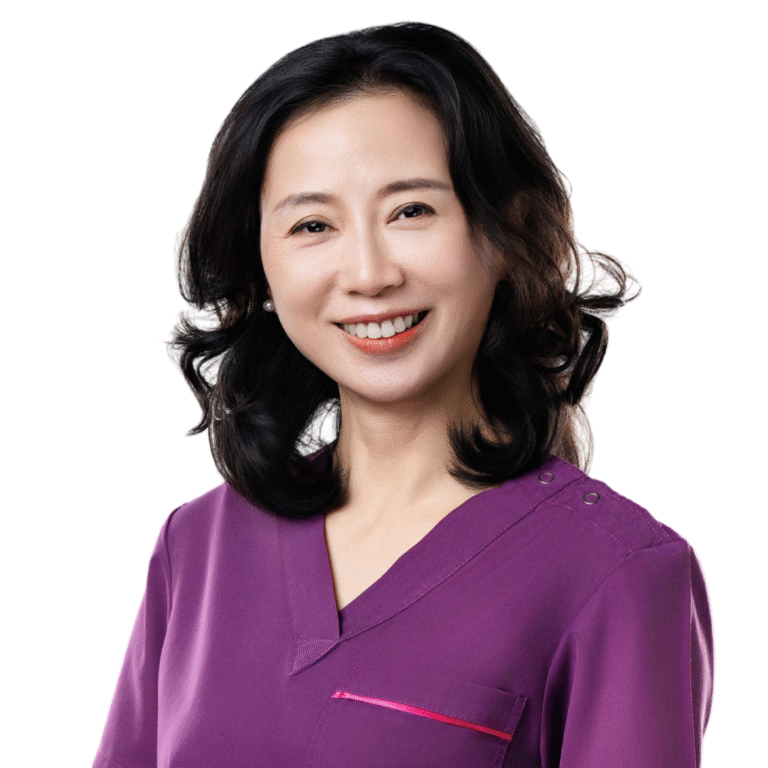
Physician Yuan Ting (B.ChinMed)
Founder & TCM Fertility Expert
Physician Yuan Ting is the Founder and Head of Practitioners at Xi Fertility & Women’s Health TCM Centre. With formal clinical training in Gynecology and Fertility from the prestigious Chengdu University of Traditional Chinese Medicine (CDUTCM), she brings over a decade of expertise to holistic reproductive health. Physician Yuan Ting specializes in pre-IVF body preparation and supporting couples who have experienced recurrent IVF failures. Her core clinical philosophy bridges Western ART and traditional wisdom: a successful IVF journey is not just about trying more cycles, but about ensuring the body’s internal environment is optimally balanced and prepared for conception.
- Mayo Clinic. (2021). Female infertility — Symptoms and causes. Available at: https://www.mayoclinic.org/diseases-conditions/female-infertility/symptoms-causes/syc-20354308
- El-Kharoubi A. F. (2023). Tubal Pathologies and Fertility Outcomes: A Review. Cureus. Available at: https://pmc.ncbi.nlm.nih.gov/articles/PMC10184952/
- World Health Organization. (2026). Polycystic ovary syndrome. Available at: https://www.who.int/news-room/fact-sheets/detail/polycystic-ovary-syndrome
- World Health Organization. (2023). Infertility. Available at: https://www.who.int/news-room/fact-sheets/detail/infertility
- Walker, M. H., & Tobler, K. J. (2025). Female Infertility. StatPearls. Available at: https://www.ncbi.nlm.nih.gov/books/NBK556033/
- Shukla, A., Rasquin, L. I., & Anastasopoulou, C. (2025). Polycystic Ovarian Syndrome. StatPearls. Available at: https://www.ncbi.nlm.nih.gov/books/NBK459251/