Acupuncture

Discover how acupuncture supports fertility. Book your fertility acupuncture session today and take a step closer to parenthood.

Traditional Chinese acupuncture technique for improving fertility

What is Acupuncture?

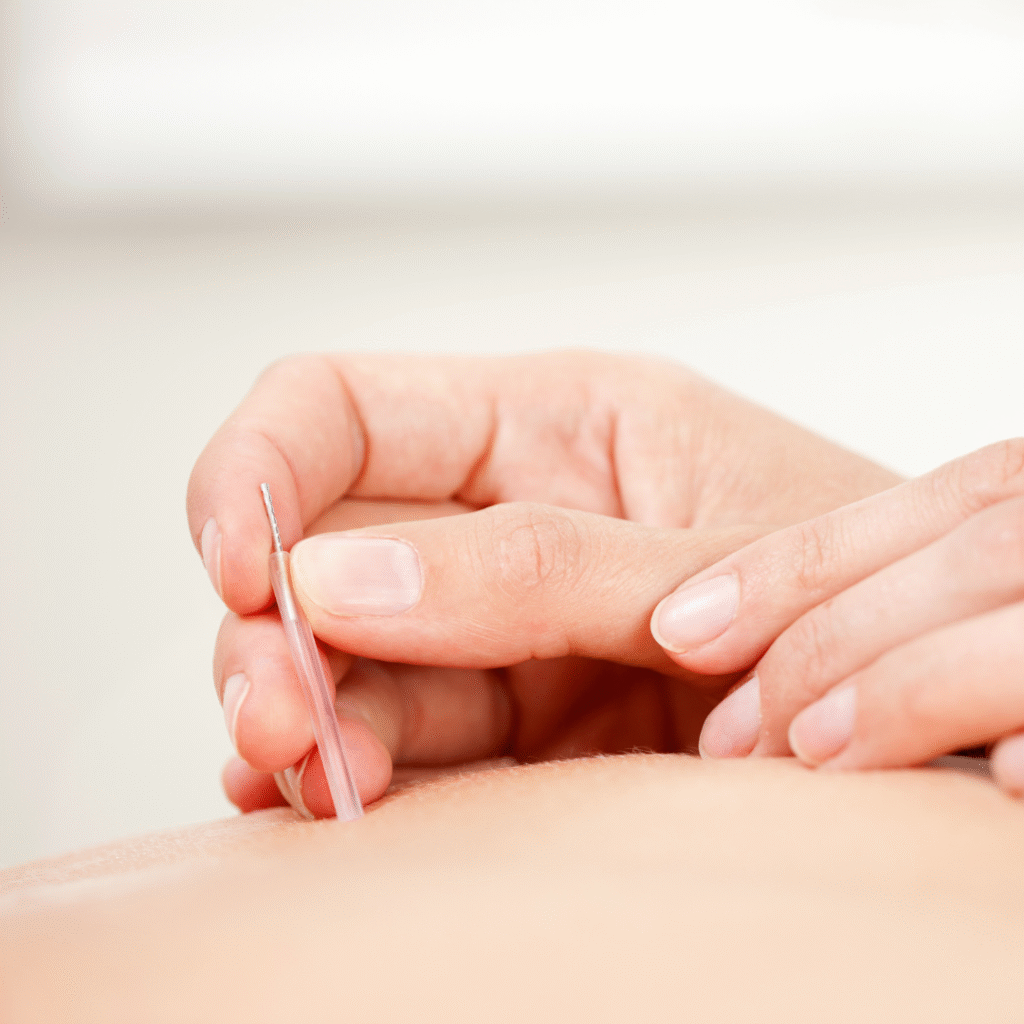
Acupuncture is one of the most well-known TCM therapies, using fine, sterile needles to stimulate energy pathways (meridians) in the body. Safe and virtually painless, it helps restore harmony and support natural healing.

Acupuncture is widely used to support reproductive health. By improving blood circulation, balancing hormones, and reducing stress, it creates a healthier environment for conception.

How Acupuncture Supports Fertility and Pregnancy Wellness

  • Regulates menstrual cycle & ovulation
  • Improves egg quality & uterine lining
  • Supports IVF and IUI treatments
  • Reduces stress & anxiety during TTC

From your first period to pregnancy and beyond, your body goes through many changes — and we’re here for all of them.

  • PCOS, endometriosis, hormonal imbalance
  • Irregular or painful periods
  • Fertility challenges or IVF preparation
  • Postpartum recovery
  • Hormonal weight gain or acne

Fertility is a shared journey. We offer discreet, effective treatments to support male reproductive health and overall vitality.

  • Low sperm count or motility
  • Hormonal imbalances or fatigue
  • Performance or libido issues
  • Stress-related fertility challenges
  • Supporting sperm health before IUI/ IVF

What to Expect in an Acupuncture Session for Pregnancy Support

Your first session begins with a thorough consultation. Our practitioner will review your medical history, lifestyle, and fertility journey, followed by tongue and pulse diagnosis. A customized acupuncture plan will then be created for you.

During treatment:

  • Fine, sterile needles are gently inserted into specific points.

  • The session usually lasts 30–40 minutes.

  • Most patients find it deeply relaxing, often falling asleep during treatment.

For best results, we recommend 1–2 sessions per week for 3–6 months, depending on your fertility goals and whether you are preparing for natural conception, IVF, or IUI.

Why Xi Fertility Stands Out for Fertility-Focused Acupuncture in Malaysia

When you are looking for fertility acupuncture in Kuala Lumpur, Selangor, or the Klang Valley, you want practitioners who are not only skilled but also deeply understand the nuances of reproductive wellness. At Xi Fertility, our approach is built on expertise, personalisation, and genuine care.

  • Experienced Practitioners: Our team consists of dedicated TCM practitioners with extensive experience in supporting women’s and men’s reproductive health. They apply a deep understanding of TCM principles to every session.

  • A Personalised Approach: We know that every individual is different. Your journey begins with a thorough consultation to understand your unique constitution and health patterns. This allows us to create a personalised acupuncture plan tailored specifically to you, whether you need acupuncture for male fertility or female wellness.

  • A Supportive and Calm Environment: We believe that emotional well-being is just as important as physical health. Our centre provides a tranquil, nurturing space where you can relax and feel cared for. We take the time to listen and support you at every step.

  • An Integrative Perspective: We understand how to safely and effectively use acupuncture as a standalone wellness practice or as a complementary support alongside modern medical procedures.

Why People Explore Acupuncture When Trying to Get Pregnant

Many individuals and couples choose to make acupuncture part of their journey when trying to get pregnant for a variety of wellness-focused reasons. They are often seeking a natural way to support their body and mind. Common motivations include:

  • To Manage Stress and Promote Relaxation: The process of trying to conceive can be emotionally taxing. Acupuncture is well-known for its ability to calm the nervous system, reduce stress hormones, and promote a state of deep relaxation. It is believed to stimulate central nervous system.

  • To Improve Overall Body Balance: From a TCM perspective, a balanced body is a healthy body. Acupuncture aims to harmonise the flow of Qi and Blood, regulate the body’s natural rhythms, and address underlying imbalances that could be affecting your overall vitality.

  • To Enhance the Mind-Body Connection: Regular acupuncture sessions can help you feel more in tune with your body’s cycles and rhythms. This increased awareness can be empowering and help you feel more proactive about your health.

  • To Support the Menstrual Cycle: A regular, comfortable menstrual cycle is considered a key indicator of good reproductive health in TCM. Acupuncture is often used to support the body in achieving a more balanced and regular cycle.

When Should You Begin Chinese Acupuncture for Fertility Support?

Many Malaysians ask when is the right time to begin acupuncture for fertility support. There is no single “right” time to begin Chinese acupuncture, as every person’s wellness goals are unique. However, based on the principles of TCM, here are a few common approaches:

  • 3-4 Months Before Trying to Conceive: This is often considered the ideal timeframe. It allows your practitioner several menstrual cycles to work on regulating your body’s natural rhythms, nourishing Qi and Blood, and addressing any underlying imbalances. This helps prepare a healthy foundation.

  • When You Are Actively Trying: It is never too late to start. If you are already trying to get pregnant, acupuncture can be a valuable tool for managing stress and supporting your body’s wellness month by month. Sessions can be timed to different phases of your cycle to support its natural processes.

  • Alongside Medical Procedures: If you are undergoing assisted reproductive technology (ART) like IUI or IVF, acupuncture can be a powerful complementary support. Many people use it to help reduce stress, manage the side effects of medication, and promote a sense of well-being throughout the process.

The best first step is to schedule a consultation with one of our practitioners to discuss your individual health and wellness goals.

FAQs About Acupuncture for Fertility Support in Malaysia

How long is each acupuncture session?

Each session typically lasts 45–60 minutes. This includes a short consultation, pulse/tongue diagnosis, and the acupuncture itself (usually 20–30 minutes of needle retention while you rest). Your first session may take slightly longer.

Is acupuncture painful?

No. The needles are very thin, and most patients feel only a slight pinch or no discomfort at all.

Is acupuncture safe?

Yes, acupuncture is very safe when performed by licensed practitioners. Our team is professionally trained in both Traditional Chinese Medicine and modern safety standards.

At Xi Fertility & Women’s Health TCM Centre, we use single-use, sterile needles and follow strict hygiene protocols.

How long should I do acupuncture before trying to get pregnant?

Ideally, we recommend starting 3 months before trying to conceive or beginning IVF. This allows time to regulate your cycle, strengthen the uterus, and improve egg (and sperm) quality.

Can I combine acupuncture and IVF or fertility medications?

Yes. Acupuncture can be safely combined with IVF, IUI, or fertility medications. In fact, many fertility doctors encourage it to improve outcomes and reduce side effects.

Can my husband benefit from fertility acupuncture too?

Yes. Acupuncture can improve sperm quality, motility, and overall vitality in men. It also helps reduce stress and support hormone balance.

Chinese acupuncture can support PCOS-related weight gain by helping regulate insulin levels, reduce cravings, and rebalance key hormones. It tends to work best as part of a long-term, holistic plan that may also include personalised herbal formulas, nutrition guidance, and stress-management strategies.

Most people notice steady, sustainable changes over 2–3 months — including more regular cycles, clearer skin, improved mood, and gradual, healthy weight loss.

Scroll to Top