

Last Chance for a Horse Baby (2026): 5 Updated TCM Fertility Tips Every TTC Couple Should Know
For couples planning to conceive, fertility is often approached as a matter of timing. Ovulation tracking, supplements, and online advice become the focus. However, from a Traditional Chinese Medicine (TCM) perspective, successful conception depends far more on preparation than timing alone.
If welcoming a Horse Baby in 2026 is part of your family plan, February 2026 represents the most critical preparation period. This article explains why early fertility preparation matters and outlines five updated, clinically relevant TCM insightsfor couples trying to conceive (TTC).
Why February 2026 Is the Key Month for a Horse Baby
A full-term pregnancy lasts approximately 38–40 weeks from conception. To remain within the Year of the Horse (2026):
Conception must occur several months before February 2026
Delays in ovulation, implantation, or cycle irregularities may shift delivery beyond the zodiac window
For couples who have already been trying, or who are just starting, this is often the final realistic opportunity to align preparation and timing.
Why “Trying Harder” Is Not Enough at This Stage

Many couples respond to urgency by increasing frequency of intercourse, changing supplements repeatedly, or even relying solely on ovulation tracking apps.
However, from a Traditional Chinese Medicine (TCM) perspective, urgency without body readiness may increase stress hormones, disrupt ovulation quality and reduce implantation stability.
At this point, what matters most is optimising the internal reproductive environment quickly and safely, increasing the likelihood of natural conception and supporting a healthier pregnancy.
Professional Guidance Matters More When Time Is Limited!
5 Practical & Time-Sensitive TCM Fertility Tips (Detailed Guide)
Below is a step-by-step, cycle-ready guide you can apply immediately.
TIP 1: Stop Chasing Ovulation... Fix the Entire Cycle (This Is Where Most Couples Fail)
❌ Common mistake:
Only focusing on ovulation test kits and timing intercourse.
✅ Practical TCM focus:
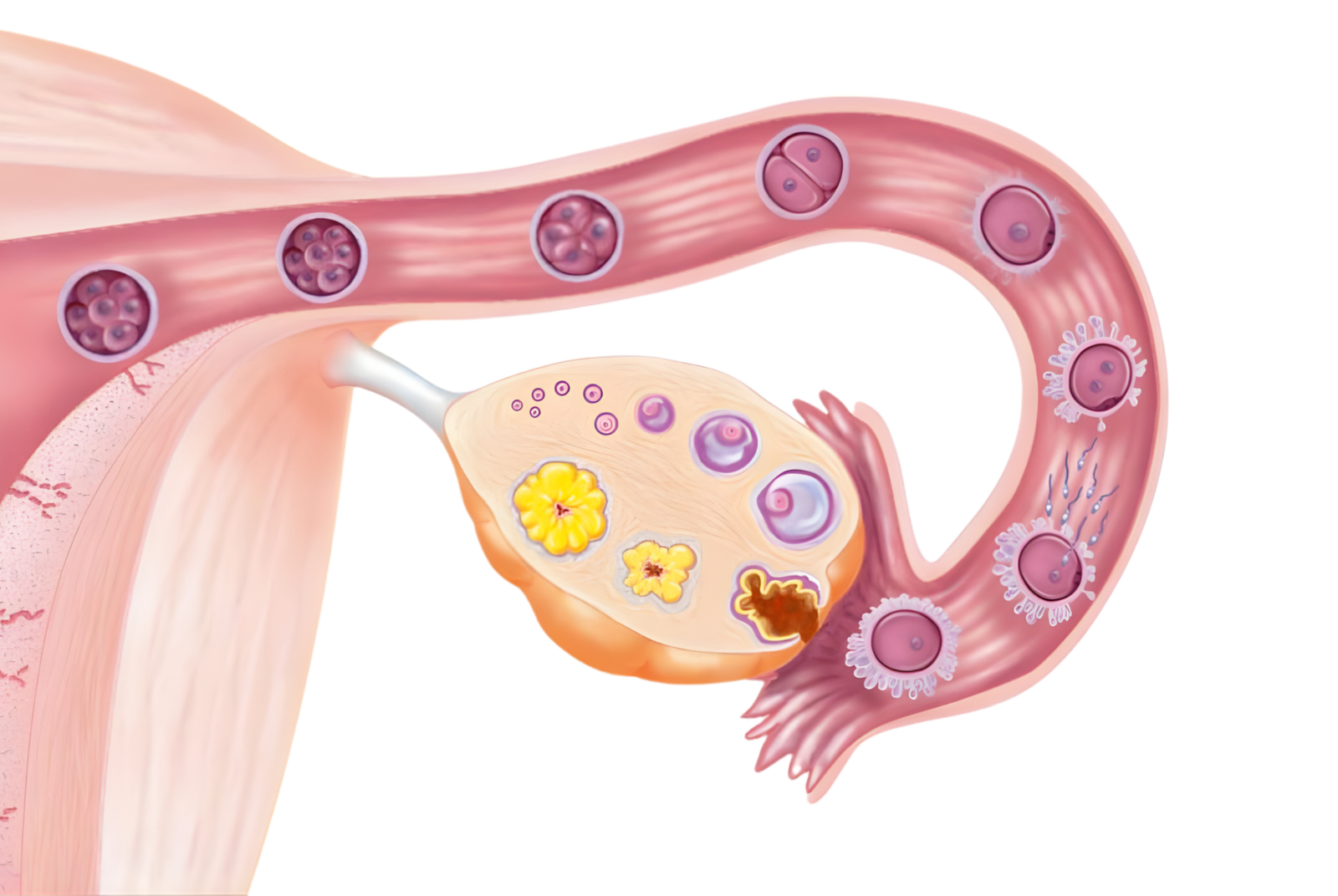
TCM views the menstrual cycle in four phases, all of which affect fertility:
Menstrual phase: Proper shedding & detox
Follicular phase: Egg nourishment & hormone building
Ovulation phase: Qi & blood movement
Luteal phase: Implantation support
What you can do now:
Track cycle length, flow, clots, cramps, spotting
Avoid late nights during ovulation week
Reduce intense exercise during luteal phase
Ensure adequate rest after ovulation
TCM intervention at this stage targets cycle balance, not just ovulation timing, increasing the chance that fertilisation and implantation both succeed.
TIP 2: Improve Uterine Receptivity (Implantation Is the Priority)
At this stage, many TTC couples conceive but fail to implant — often without knowing it.
Signs uterine receptivity may be weak:
Light or short menstrual flow
Cold hands and feet
Lower abdominal discomfort
History of early loss or chemical pregnancy
Practical steps you can apply immediately:
Avoid iced drinks (especially after ovulation)
Keep the lower abdomen warm
Reduce prolonged sitting
Prioritise sleep before midnight
TCM clinical focus:
Improve pelvic blood circulation
Support endometrial nourishment
Reduce internal “cold” or stagnation
👉 Implantation-friendly cycles are more important than frequent cycles when time is limited.
TIP 3: Regulate Stress to Protect Ovulation & Hormonal Stability
Important reality: Stress doesn’t just affect emotions — it directly affects fertility hormones.
Even with:
Regular periods
Normal scans
Normal blood tests
ovulation quality may still be compromised.
Practical stress-reduction actions (realistic & effective):
Stop over-checking fertility apps multiple times daily
Set a fixed bedtime (ideally before 11pm)
Limit caffeine during luteal phase
Avoid last-minute schedule changes during ovulation week
TCM clinical goal:
Smooth Qi circulation
Stabilise ovulation timing
Support luteal phase hormones
👉 At this stage, calm consistency produces better results than urgency.
TIP 4: Treat Fertility as Part of Women’s Health, Not a Separate Issue
Especially important if you are:
35 years and above
Experiencing PMS, fatigue, or hormonal swings
Recovering from long-term stress or work pressure
Why this matters now:
Underlying women’s health issues may:
Delay ovulation
Weaken implantation
Increase early pregnancy instability
Practical steps:
Do not skip meals
Avoid extreme dieting
Reduce sugar and ultra-processed foods
Maintain gentle movement (walking, stretching)
TCM focus:
Support hormonal coordination
Improve blood quality
Strengthen reproductive resilience
👉 A stable body supports pregnancy faster and safer than aggressive intervention.
TIP 5: Male Fertility Must Be Addressed Immediately (Non-Negotiable)
When time is limited, male fertility can no longer be secondary.
Key facts:
Sperm quality affects fertilisation and embryo quality
Fatigue, poor sleep, stress, and heat exposure reduce sperm vitality
Practical actions for men (starting now):
Avoid hot showers, saunas, laptops on lap
Sleep at least 7 hours nightly
Reduce alcohol and late nights
Manage work stress actively
TCM clinical focus:
Support sperm vitality and motility
Restore energy and recovery
Improve reproductive resilience
👉 Couples who optimise both partners simultaneously see better results within limited cycles.