4 Signs You’re Having Your Period but Not Ovulating — and When You Should Seek Help
Many women assume that if their period comes every month, ovulation must be happening. But in reality, it’s possible to menstruate without ovulating — a condition known as anovulation.
This can be confusing, especially for women who are trying to conceive and doing “everything right”. Understanding the signs early can help you take the right steps before fertility challenges become more complicated.
4 Signs You May Be Having Periods Without Ovulation
-
Irregular Period Length
If your cycle length frequently changes, it may indicate unstable ovulation. Bleeding can still happen, but the hormonal signals required for ovulation may be weak or absent.
-
Very Light or Very Heavy Menstrual Flow
Extremely light periods may suggest insufficient hormone buildup; Very heavy periods can be linked to hormonal imbalance. Both patterns may occur when ovulation does not happen regularly.
-
No Clear Ovulation Signs
If these signs are consistently absent over several cycles, ovulation may not be occurring. (Common ovulation signs include: 1.Egg-white cervical mucus, 2. Mild lower abdominal discomfort, 3. Slight increase in basal body temperature)

-
Difficulty Conceiving Despite Regular Periods
If you’ve been trying to conceive for 6–12 months with regular intercourse but no success, anovulation could be a hidden reason — even if your period seems “normal”.
Why Ovulation Matters?
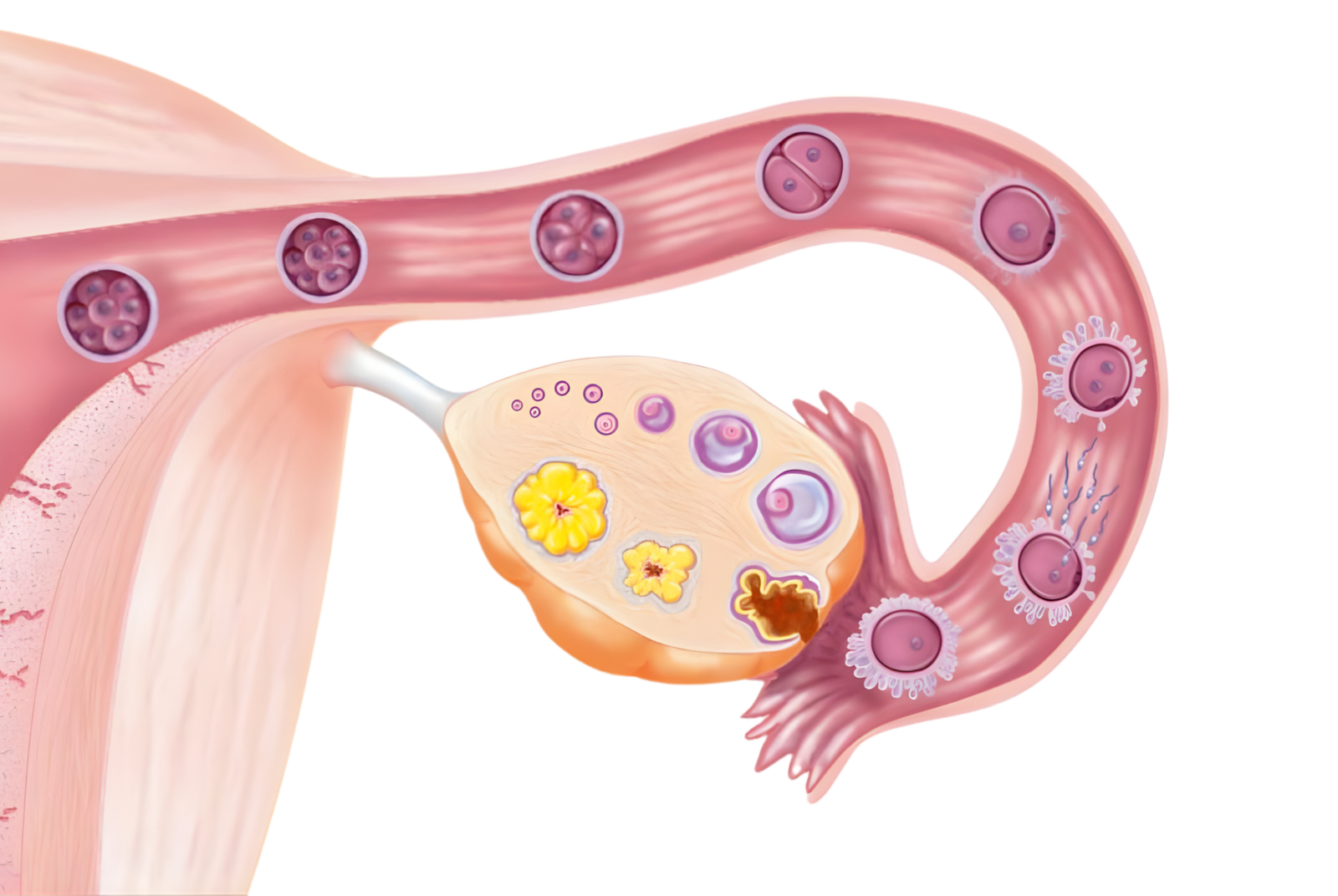
Ovulation is the process where your ovary releases an egg. Without ovulation:
Pregnancy cannot occur naturally
Hormone balance may be disrupted
Long-term reproductive health may be affected
Even if bleeding occurs monthly, the body may not be completing a healthy ovulation cycle.
When Should You Seek Help?
You should consider professional support if:
Been trying to conceive for 6 months (age 35+) or 12 months (below 35)
Your cycles are consistently irregular
Period symptoms change suddenly
You experience ongoing fatigue, stress, or hormonal symptoms